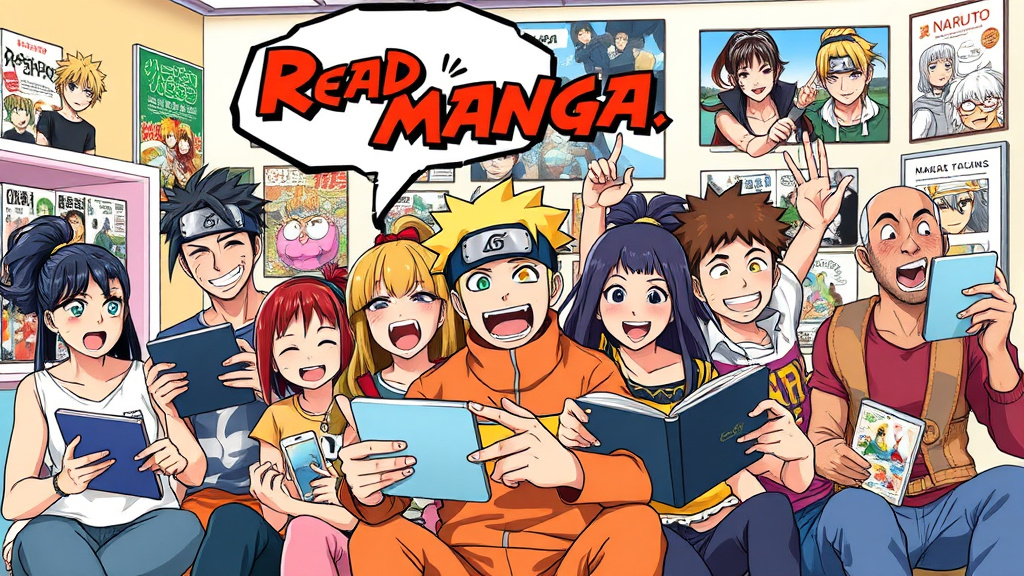
anime comic books have become a vibrant bridgeConnecting the dynamic worlds of Japanese animation and Western comic art, these narratives have revolutionized how stories are told through visual mediums. Drawing from a rich tapestry of cultural influences and technological advancements, anime comic books blend the expressive artistry of manga and anime with the diverse storytelling formats of comic books and graphic novels. This article explores the nuanced differences and remarkable similarities that define this intersection, tracing its evolution and considering its future potential in shaping the landscape of visual storytelling.
Main Keyword: anime comic books
Anime vs. Comic Books: Exploring the Key Differences and Similarities
When comparing anime comic books with traditional Western comic books, several clear distinctions and shared traits emerge. Anime comic books often inherit the stylistic nuances of Japanese animation—emphasizing exaggerated facial expressions, dynamic action sequences, and a focus on emotional depth. Conversely, Western comic books tend to prioritize bold linework, superhero-centric narratives, and a narrative pacing rooted in episodic adventure. These stylistic choices reflect broader cultural aesthetics but also reveal underlying storytelling philosophies—anime comic books often explore more introspective themes, blending the fantastical with the philosophical.
However, despite these differences, both genres fundamentally serve the same purpose: visual storytelling. They use sequential art, dialogue, and visual cues to craft immersive worlds and complex characters. Both have evolved through similar technological shifts, adopting digital coloring and publishing, and embracing fan-driven communities that contribute to their popularity. The convergence of styles and storytelling techniques in anime comic books exemplifies a globalized comic culture where boundaries are fluid, and hybrid narratives thrive.
 Hình minh họa: anime comic books – read uncensored manhwa
From Manga to Graphic Novels: Tracing the Evolution of Sequential Art
The evolution of sequential art from traditional manga to contemporary graphic novels and vice versa underscores a shared history rooted in storytelling innovation. Manga, with its roots deeply embedded in Japanese culture, has traditionally been serialized in magazines before being compiled into volumes—emphasizing artistic detail and serialized storytelling. Over time, manga’s influence has been felt worldwide, inspiring graphic novel formats that prioritize sophisticated themes, complex character arcs, and experimental narrative structures beyond the standard superhero tropes.
The adaptation of manga aesthetics into Western graphic novels and vice versa signifies a cultural exchange that enriches both mediums. Today, this evolution fuels diverse genres, from sci-fi epics to slice-of-life chronicles, propelled by digital serialization and global accessibility. The journey of sequential art highlights an ongoing dialogue where storytelling techniques migrate across borders, expanding the scope and depth of what comics and anime can achieve. This cross-pollination continues to shape the future of visual storytelling, pushing boundaries and redefining genre conventions.
The Influence of Japanese Art and Storytelling on Western Comics
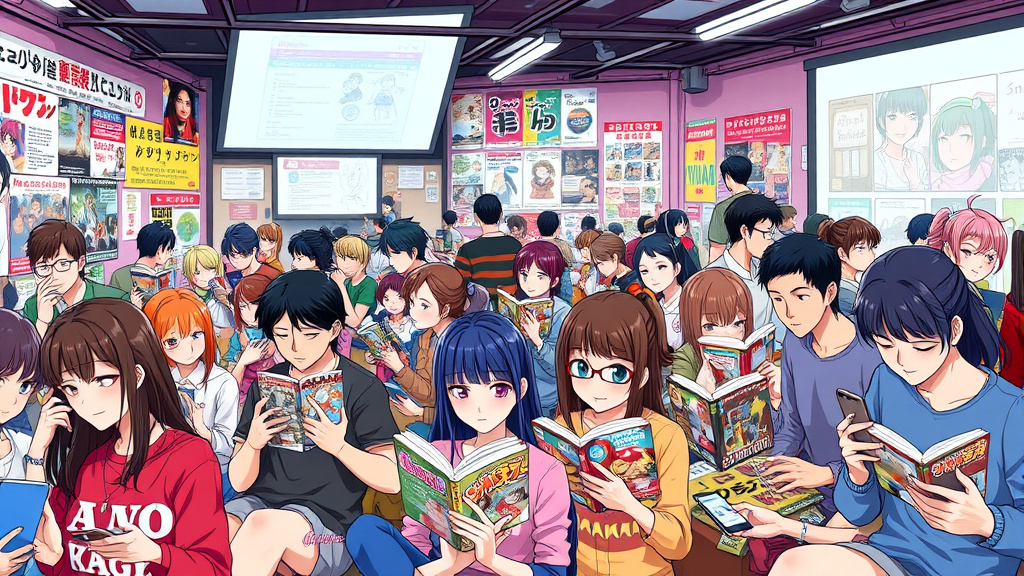
Japanese art and storytelling principles have profoundly impacted Western comic aesthetics, from the dynamic visuals to narrative pacing. Artists like Osamu Tezuka, often dubbed the “God of Manga,” pioneered styles that emphasize expressive characters and cinematic paneling, influencing creators globally. These techniques—such as exaggerated motion lines, detailed backgrounds, and emotion-focused close-ups—have been adopted and adapted in Western comics, especially in graphic novels that seek a more cinematic feel.
Storytelling in Japanese tradition—character-driven plots with emotional depth and philosophical undertones—has inspired Western creators to craft stories with greater nuance. The integration of Japanese storytelling techniques into Western comics has led to more diverse themes, complex characters, and innovative layouts. This cross-cultural influence fosters a rich hybrid culture that elevates visual narrative arts, positioning anime comic books as a collaborative art form that transcends borders and engages a global audience passionate about layered stories and nuanced art styles.
Comic Books and Anime: A Crossover of Fandoms and Creative Inspirations
The crossover between fandoms and creative inspirations in comic books and anime marks a fascinating cultural phenomenon. Fans of anime and comic books often share conventions, merchandise, and fan fiction that blur the lines between these worlds. Creators, recognizing this enthusiasm, frequently produce crossover titles, inspired character designs, and multimedia projects that appeal to both audiences. This synergy boosts the popularity of anime comic books by bringing diverse fanbases together and encouraging creative experimentation.
Beyond fandom, many professional artists and writers actively contribute to both mediums, fluidly moving from manga panels to American comic art. This interchange has facilitated a broader spectrum of storytelling, blending cultural themes, visual styles, and narrative approaches. The resulting hybrid projects—such as manga-inspired superhero series or Western-style graphic novels with Japanese themes—exemplify the creative potential unlocked when communities and creators collaborate across the boundaries of genre and tradition.
Animation Techniques: Comparing the Styles of Anime and Comic Book Adaptations
Animation techniques used in anime and comic book adaptations reveal contrasting yet interconnected artistic philosophies. Anime often employs techniques like limited animation, where key frames are reused to maximize expressiveness with lower production costs, creating a distinctive fluidity that emphasizes mood and emotion. Frame-by-frame hand-drawn sequences give anime a lively, cinematic feel that immerses viewers in character-driven stories.
Conversely, comic book adaptations tend to lean on bold inking, dynamic panel layouts, and color effects to evoke motion and atmosphere in static images. Modern comics increasingly integrate digital coloring techniques that mimic the vibrancy of anime, while anime adaptations of comics employ animation styles like CGI for spectacular action sequences. Comparing these methods illuminates how each medium balances technical constraints with artistic expression, ultimately enriching the visual language and storytelling capacity of anime comic books.
The Business of Entertainment: Analyzing the Anime and Comic Book Industries
The industries surrounding anime and comic books have evolved into multi-billion-dollar global markets driven by diverse revenue streams. Japanese anime studios operate through a complex ecosystem—producing TV series, films, merchandise, and licensing deals—capitalizing on international streaming platforms and box office releases. Conversely, Western comic book publishers have expanded into cinematic universes (e.g., Marvel and DC), digital comics, and multimedia adaptations that reach a wider audience.
The dynamic nature of these industries reflects shifts in consumer behavior, technological innovation, and cultural trends. Digital distribution platforms like Crunchyroll, Webtoon, and ComiXology have democratized access, allowing creators to publish directly to audiences worldwide. Both industries are now exploring immersive experiences such as virtual reality, augmented reality, and transmedia storytelling. Their intertwined growth signals an exciting future where anime comic books are not only cultural artifacts but also significant players in the entertainment economy.
Character Design and Narrative Structure: Deconstructing Common Tropes in Anime and Comics
Character design and narrative structures often reveal thematic preoccupations and cultural values within anime and comic books. Anime characters typically feature exaggerated features—large eyes, vibrant hair, expressive faces—that serve to heighten emotional resonance and visual appeal. Narrative plots often follow character growth arcs, blending action, romance, and philosophy, reflecting Japan’s emphasis on introspection and societal harmony.
Western comics, on the other hand, frequently focus on iconic superhero archetypes—alter egos, secret identities, and moral dilemmas—built around simplified but powerful visual symbols. The storytelling tends to be episodic, structured around conflicts that promote heroism and individual agency. Deconstructing these tropes reveals a shared tendency to utilize recognizable motifs—whether the hero’s journey or emotional vulnerability—yet each emphasizes different cultural values, making anime comic books a layered hybrid of universal storytelling and local aesthetic ideals.
Beyond Superhero Stories: Diverse Genres and Themes Explored in Anime and Comic Books
While superhero stories dominate Western comics, anime and manga explore an astonishing array of genres—from horror and sci-fi to romance and psychological drama. This diversity stems from Japan’s cultural appreciation for genre-bending narratives and complex character exploration, which is also mirrored in the various themes tackled within anime comic books. These stories can delve into philosophical questions, societal issues, or intimate personal struggles, broadening the scope of visual storytelling.
This genre fluidity enriches both mediums, encouraging creators to push creative boundaries and audiences to seek out stories that resonate on a deeper level. The ability of anime comic books to incorporate diverse plots and themes makes them more accessible to a global audience seeking meaningful content. As creators continue to innovate and experiment, these narrative domains will expand further, inviting dialogue around identity, technology, history, and the human condition within the visual arts.
Digital Distribution and Accessibility: How Anime and Comic Books are Reaching New Audiences
Digital technology has revolutionized the distribution of anime comic books, enabling rapid access and global reach. Platforms like VIZ, Crunchyroll, and Webtoon allow readers to access thousands of titles instantly, often with multilingual support. This accessibility has transformed how fans consume content, breaking down geographic and economic barriers and allowing aspiring creators to publish independently without traditional gatekeepers.
Moreover, interactive features like reader comments, multimedia integrations, and previews extend engagement beyond static images, creating vibrant communities. The democratization of distribution not only broadens audiences but also fosters innovation—smaller, niche genres rise in popularity, and art styles evolve in response to diverse tastes. As technology continues to advance, anime comic books are poised to become even more immersive, personalized, and culturally inclusive, promising a dynamic future that keeps pace with evolving viewer expectations.
The Future of Visual Storytelling: Predicting Trends in Anime and Comic Book Production
Looking ahead, the future of anime comic books appears rooted in technological innovation and cultural hybridity. Artificial intelligence and machine learning could revolutionize art production and storytelling, allowing creators to experiment with new styles and narrative structures easily. Interactive storytelling—blending static comics with animation and virtual reality—may create fully immersive worlds where readers become active participants.
Furthermore, global collaborations and cross-cultural storytelling will continue to flourish, driven by ease of digital distribution and international fandoms. Themes that reflect contemporary issues such as climate change, social justice, and digital identity will likely gain prominence, aligning with younger audiences’ values. Ultimately, the evolution of anime comic books will hinge on their ability to adapt creatively and technologically, redefining the boundaries of visual storytelling in a connected world.
Conclusion
Anime comic books represent a compelling convergence of artistic styles, cultural influences, and narrative innovation, bridging the gap between Japanese animation and Western comics. Their evolution reflects a globalized storytelling landscape where diverse genres, technological advancements, and new distribution channels redefine how stories are crafted and experienced. As creators continue to push boundaries and audiences embrace expansive digital access, anime comic books will undoubtedly shape the future of visual storytelling, inspiring new generations of artists, writers, and fans worldwide.